Add Row
Add Element
cropper
update
The Wellness Living Hub
update
Add Element
  • Home
  • Categories
    • Financial Wellness
    • Health & Wellness
    • Travel
    • Lifestyle
    • Pet Wellness
    • Real Estate
    • NJ News
    • News
August 23.2025
3 Minutes Read

Transform Your Dog Walks: Say Goodbye to Pulling With These Tips

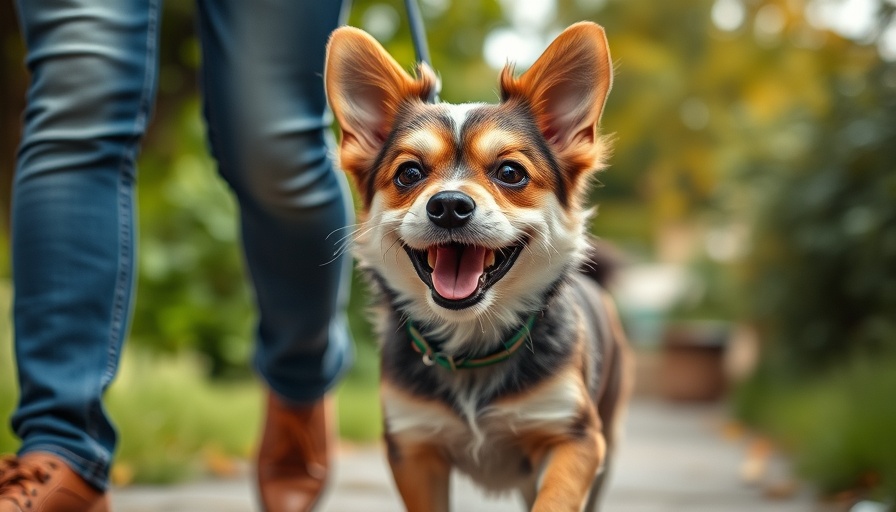
Stress-free dog walks with joyful pet and owner in nature.

Understanding the Frustration Behind Leash Pulling

Walking your dog should be an enjoyable experience, a time when you and your furry friend can connect and explore the world together. Unfortunately, for many pet owners, it often becomes a battle against a strong, pulling force on the other end of the leash. It's crucial to recognize that leash pulling is not an act of rebellion but rather a symptom of excitement, confusion, or a lack of proper training.

Decoding Your Dog's Behavior: Why Leash Pulling Occurs

Dogs are driven by instincts and impulses, and the outside world can be overwhelmingly stimulating. From intriguing smells to sounds they can barely resist, it’s like stepping into a vibrant amusement park for them. Many dogs pull due to a sheer lack of impulse control. They see something exciting—perhaps a squirrel or another dog—and their instinct is to rush towards it.

Moreover, it's vital to understand that owners often unwittingly reinforce bad behaviors. When dogs pull forward and get rewarded with something interesting—like a tree to sniff or a fellow canine companion—their action is unjustly validated. This cycle reinforces pulling, making it a harder habit to break.

Tips for Stress-Free Walks: Implementing Positive Reinforcement

To cultivate a more peaceful walking experience, positive reinforcement is your best friend. Start training your dog in a controlled, distraction-free environment. Reward them for walking beside you calmly. Gradually, as they become more confident, you can step into busier areas. Utilize several tools that aid in encouraging better behavior: a well-fitted harness, a suitable leash length, and a treat pouch can dramatically improve your walking experience. Also, avoid retractable leashes; they can create an illusion of freedom while inadvertently increasing tension.

Learning Together: Embracing Progress and Setbacks

Training takes time, and it is natural for progress to ebb and flow. There may be days when your dog seems to grasp the concept and others when they don’t. It is essential to remain patient and avoid mean reprimands or punishment; your dog is a product of their learning environment. If struggles continue, consider seeking professional guidance. Trainers can offer tailored advice and techniques that cater to your specific situation, fostering a peer-like bond between you and your pet.

Beyond the Walk: Building a Bond of Trust and Connection

A peaceful walk is just a reflection of a more profound connection. Utilizing these strategies fosters not only obedience but also reinforces trust. Dogs are incredibly perceptive; when they sense their owner is calm and encouraging, they are more likely to mirror that behavior. Your walks can evolve from chaotic affairs into tranquil journeys of discovery, strengthening the relationship you share with your dog.

Why Community Resources Matter for Pet Owners

Many local communities offer programs like obedience classes and socialization opportunities for dogs. These provide spaces where pets can learn while also meeting their peers. Engaging with local pet resources encourages a stronger community bond as dogs become socialized within their neighborhood. Plus, as pet owners join together, a support network is created, allowing for shared tips and experiences. The joy of walking your dog shouldn’t have to be a solo endeavor!

Taking a walk with your dog can transform from an exhausting ritual into a cherished experience by addressing the root causes of leash pulling, implementing positive training methods, and embracing the journey of learning together. Remember, moments of joy are shared moments conquered, and they can lead to a healthier relationship.

Are you ready to embark on this journey to enjoy stress-free dog walks? Take the first step by applying these tips during your next outing. Share your success stories with others in your pet community, inspiring them to create playful, peaceful walks with their furry companions too!

Pet Wellness

3 Views

0 Comments

Write A Comment

*
*
Related Posts All Posts
03.02.2026

Why Are Kitty Ears So Important? An In-Depth Look at Pet Health

Update Why Paying Attention to Your Cat's Ears Is Crucial Every cat owner has been there: you notice a small bump or lump on your furry friend's ear, leading to a surge of concern. But before jumping to conclusions, it’s essential to know that not all ear growths are cause for alarm. In fact, many are benign and treatable—when addressed promptly. Your cat's ears are not just essential for hearing; they also play a key role in balance and communication. Hence, understanding the signs that require a veterinarian's attention can save you and your pet from unnecessary worry. Types of Ear Growths: The Good, The Bad, and The Benign Among the various types of ear growths that can appear on cats, awareness of their differences is critical. Some of the common growths include: Inflammatory Polyps: These benign growths usually appear in younger cats and, though non-cancerous, can lead to discomfort if left untreated. Earwax Gland Tumors: More common in older cats, these can often be cancerous and arise from chronic ear inflammation. Squamous Cell Carcinoma: This aggressive form of cancer manifests as sores or crusty areas and requires immediate veterinary attention. Recognizing these different types can aid in securing timely treatment and ensuring your cat’s ongoing health. Recognizing Early Warning Signs Knowing when to worry can be the difference between early intervention and more serious health complications. Some warning signs include: Swelling around the ear Constant scratching or pawing at the ear Discharge or bleeding Head tilt, balance issues, or changes in hearing If you notice any of these symptoms, don’t hesitate to consult with your veterinarian. They may perform diagnostic tests like biopsies or imaging to evaluate the issue further. The Importance of Regular Veterinary Check-Ups Staying proactive with your cat’s health is paramount. Regular veterinary check-ups allow for early detection of any concerns, including ear growths. Just as we schedule annual visits to the doctor, our pets require the same level of care and attention. Establishing a routine will help you and your veterinarian monitor any changes. Emotional Impact on Pet Owners Finding a lump on your cat’s ear can indeed provoke anxiety. It’s important to remember that, as responsible pet owners, we are our pets’ voices. Therefore, recognizing that many ear growths are benign alleviates some worry. A supportive environment and a well-informed owner can significantly decrease stress for both you and your cat. A Community Effort in Pet Wellness At the heart of community-focused pet wellness lies education. Local initiatives that promote awareness about pet health—including ear care—can strengthen the bond between pet owners and their furry companions. Many communities offer workshops or seminars aimed at educating pet owners on recognizing early signs of health issues. Conclusion and Invitation to Explore More In conclusion, your cat's ears deserve a closer look - they signify more than just hearing; they represent your pet’s overall health and well-being. Remember to keep an eye out for unusual signs and don’t hesitate to reach out to your vet if something seems off. For further insights and resources on caring for your beloved pets, consider joining us in community-focused wellness activities and educational initiatives designed to promote understanding and care for our furry friends.

03.01.2026

Exploring the Health Benefits of Plums for Dogs and Cats

Update Unveiling the Joy of Plums: A Treat for Your Furry Friends As the vibrant colors of summer burst onto the scene, plums, with their purple-red skins and succulent flesh, are no longer just a delight for humans but are also becoming a popular addition to pet treat recipes. With their rich array of vitamins and antioxidants, plums offer more than just a tasty bite. Here’s why you might want to reintroduce this juicy fruit into your pet’s diet—but with some important precautions! The Nutritional Powerhouse Hidden in Plums Plums belong to the Rosaceae family, sharing space with other beloved fruits like peaches and cherries. These fruits are packed with essential nutrients, including vitamins A, C, E, K, and a host of B vitamins that are crucial in supporting a pet’s overall health. A study revealed that plums have significantly higher antioxidant activity compared to apples, meaning they might offer even more health benefits to our pets. The nutritional richness of plums can boost your pet's immune system, help improve their digestion, and even assist in maintaining a healthy coat. Their natural sweetness and soft texture make them an ideal occasional treat. However, moderation is key. A few small bites can provide essential nutrients without overwhelming your pet's stomach. Health Benefits of Feeding Plums to Pets Feeding your pets plums is not simply about indulging their taste buds—there are real health benefits. Here are four notable advantages: Fiber Content: Plums are a good source of fiber, which can aid in healthy digestion and help combat constipation in your dogs and cats. Rich in Antioxidants: Antioxidants play a pivotal role in neutralizing harmful free radicals, potentially boosting your pet’s immunity and decreasing the likelihood of health issues. Vitamin Boost: Vitamins like A and C found in plums contribute to a shiny coat and a robust immune response in pets. Hydration and Freshness: With their high water content, plums can serve as a refreshing snack on hot days. They help keep your pet hydrated while providing a sweet treat. Risks to Consider When Feeding Plums While plums offer many health benefits, there are significant risks to consider before sharing them with your furry companions: Cyanide Contamination: The pit of the plum contains cyanide, a toxic substance that can be harmful or even fatal to pets. It’s critical to remove the pit entirely before offering any plum flesh to your dog or cat. Choking Hazard: The hard pit can pose a choking risk or cause intestinal blockage if swallowed. Always remove it to ensure your pet’s safety. High Sugar Content: Plums are relatively high in sugar, so feeding your pet too many can lead to obesity or digestive issues. Always consult your veterinarian for personalized advice. How to Safely Introduce Plums into Your Pet's Diet Curious about how to incorporate plums into your pet's diet? Follow these simple steps to ensure safety and enjoyment: Always wash the plum to remove pesticides or harmful residues. Remove the pit and any stem before cutting the flesh into bite-sized pieces. Start with small amounts to see how your pet reacts, monitoring any changes in their digestion or energy levels. Offer plums as an occasional treat rather than a daily snack to avoid potential digestive discomfort. Remember that each pet is different, and it’s essential to consult your veterinarian before introducing any new food to their diet. Conclusion: A Fruity Delight Worth Exploring In conclusion, plums can be a healthy addition to your pet's diet when prepared correctly. They are bursting with nutrients that offer various health benefits, all while delivering a delicious, juicy treat your pets will enjoy. So, the next time you're snacking on plums, feel free to share a slice (minus the pit) with your furry friend! Giving your pet the occasional bite of this nutritious fruit can enhance their meal experience, promoting their health joyfully. Explore more about balancing pet nutrition and keeping your companions in their best shape!

02.27.2026

SARDS: The Condition That Can Steal Your Dog's Sight Overnight!

Update The Unseen Threat: Understanding Sudden Acquired Retinal Degeneration Syndrome The world of pet care is continuously evolving, yet one condition lurks in the shadows, often unnoticed until it’s too late. Sudden Acquired Retinal Degeneration Syndrome (SARDS) is a merciless condition that can rob dogs of their sight in just a matter of days, often without any prior warning. While it may sound alarming, understanding SARDS can help pet parents be vigilant in recognizing early signs and taking actionable steps. What is SARDS? A Closer Look at the Condition SARDS is characterized by the abrupt cessation of function in the photoreceptor cells of a dog’s retina, leading to rapid and permanent vision loss. Most concerning is that these beloved companions may appear perfectly healthy, leaving many owners blindsided. By the time the symptoms manifest visibly, a significant amount of vision has usually already been lost. Unlike typical degenerative diseases that unfold gradually over many months or years, SARDS can progress astonishingly fast. Its onset can be so sudden that pet parents might describe their dog going blind overnight. Studies indicate that this condition typically affects middle-aged to older dogs, with female pups being more predominantly affected. Recognizing the Early Warning Signs One significant challenge with SARDS lies in identifying early symptoms, which often mimic common, less severe health issues. Pet owners may notice: Increased thirst and appetite Lethargy or decreased activity levels Subtle signs of disorientation Unusual pacing or hesitation near obstacles These vague symptoms could easily be attributed to other conditions, making vigilance and awareness crucial for pet owners. Diagnosis: The Essential Step Confirming a diagnosis of SARDS involves waiting for signs that indicate diminished retinal response. Although a thorough physical examination is important, the only way to definitively diagnose this condition is through a specialized test called Electroretinography (ERG). This test, typically performed by a veterinary ophthalmologist, measures the retina's responses to light stimuli. Those affected by SARDS will show no response, confirming the severity of the condition. Adapting to Life After Diagnosis Though no treatment exists to reverse the blindness caused by SARDS, many dogs can adapt and retain a good quality of life. Simple changes at home can promote independence: Maintaining a consistent layout to help dogs navigate without confusion Using tactile markers to identify areas in the home Enhancing sensory stimulation, such as interactive toys and scents Routine walks in familiar environments to boost confidence With the right support, over 75% of pet owners report their dogs adjusting well and enjoying a high quality of life even after the loss of sight. Moving Forward: Knowing Your Options Understanding SARDS is crucial for any dog owner. Being proactive about observing your pet’s health can make a substantial difference in early detection and adjustment following a diagnosis. Not only does this knowledge empower pet owners to act in their dog's best interest, but it also strengthens the bond between them. Don't wait for sudden changes to take action. Sign up for our community newsletter for ongoing updates and tips to keep your pets healthy and engaged. Stay informed, so you can ensure your furry companions thrive in any circumstance.

Terms of Service

Privacy Policy

Core Modal Title

Sorry, no results found

You Might Find These Articles Interesting

T
Please Check Your Email
We Will Be Following Up Shortly
*
*
*