Add Row
Add Element
cropper
update
The Wellness Living Hub
update
Add Element
  • Home
  • Categories
    • Financial Wellness
    • Health & Wellness
    • Travel
    • Lifestyle
    • Pet Wellness
    • Real Estate
    • NJ News
    • News
June 10.2025
3 Minutes Read

Exploring the Most Affordable Electric Cars: A Smart Financial Choice

The Top 10 Most Affordable Electric Cars

Uncovering Affordable Electric Car Options

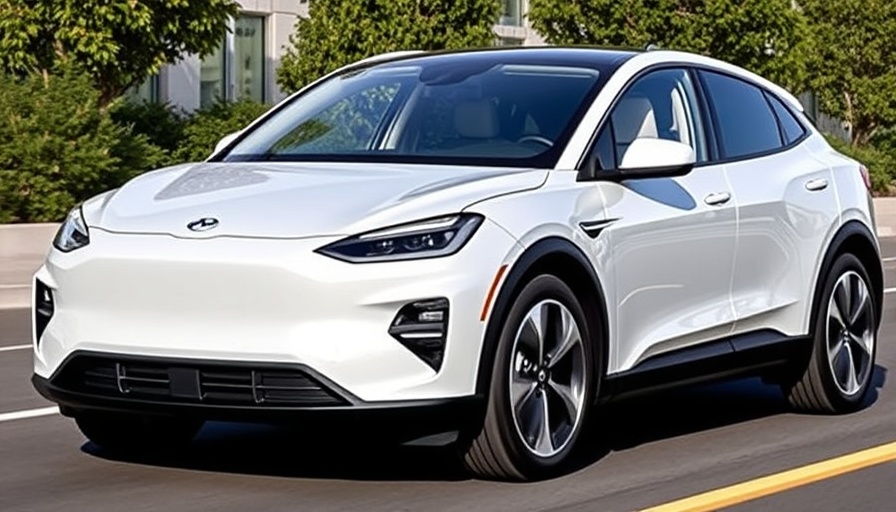
In the rapidly evolving landscape of eco-friendly transportation, electric vehicles (EVs) are gaining momentum not just for their environmental benefits, but also for their surprisingly affordable options. As gas prices continue to fluctuate, many are exploring electric cars as a viable alternative for both personal finances and sustainable living. This article examines some of the most budget-friendly electric vehicles available today, demonstrating that going green doesn’t have to come at a steep price.

Why Choose an Electric Car?

Electric cars offer a host of benefits beyond just being cost-effective. They typically have lower fuel and maintenance costs compared to traditional gasoline vehicles. This can significantly impact family budgets over time—money that could otherwise contribute to debt reduction or savings for a comfortable retirement. Furthermore, many states, including New Jersey, provide rebates and tax incentives for EV purchases, making the transition even more appealing.

Five Affordable Electric Cars You Should Consider

Here are five options that not only promise affordability but also great performance:

  1. Chevrolet Bolt EV: Priced comfortably under $30,000, the Chevrolet Bolt EV offers a generous range on a full charge, making it perfect for daily commutes.
  2. Nissan Leaf: A well-known player in the electric vehicle market, the Nissan Leaf has a starting price around $28,000 and is celebrated for its reliability.
  3. Hyundai Kona Electric: Blending affordability with style, the Kona Electric presents not just a budget-friendly option but also a contemporary aesthetic that appeals to many young drivers.
  4. Kia Niro EV: This crossover SUV is priced similarly to the Kona and is perfect for families needing a little more space without sacrificing efficiency.
  5. Volkswagen ID.4: For those looking for a spacious and comfortable ride, the ID.4 brings luxury and practicality together, often under $40,000 after incentives.

Impact on Personal Finances

Purchasing an electric vehicle can be an excellent step towards reaching your financial goals. The lower fuel costs can free up monthly budgets, leading to potential debt reduction. Opting for an electric car means less spent at the gas pump and lower maintenance costs over time. Entering this eco-friendly market not only shows personal responsibility towards the environment but also reflects savvy financial planning.

Bridging the Gap between Modern Trends and Financial Stability

Electric cars symbolize a fascinating intersection between innovative transportation technology and financial wellness. Adult residents in New Jersey and beyond can capitalize on this growing trend while ensuring their financial stability. Highlighting electric vehicles as a sound investment can encourage community members to adopt environmentally friendly practices without compromising their top priority: managing personal finances effectively.

The Future of Electric Vehicles: A Trend Worth Watching

As the market for electric cars continues to expand, trends indicate that prices may decrease further, enhancing accessibility for everyone. Future advancements in battery technology suggest longer ranges and quicker charging times, further incentivizing potential users. For adults focusing on financial wellness, investing in an electric vehicle may become a highly strategic decision, aligning well with broader economic trends, especially as fuel prices rise.

Final Thoughts: Why Now is the Time to Act

Investing in an electric vehicle today offers numerous benefits that extend well beyond your monthly car payment. With the financial incentives, lower operating costs, and a stronger focus on sustainability, switching to an electric vehicle may be one of the best decisions you can make for both your wallet and the planet. Explore the aspects mentioned here and consider taking the leap—your wallet and future self will thank you!

Financial Wellness

3 Views

0 Comments

Write A Comment

*
*
Related Posts All Posts
01.17.2026

Heating Your Home Correctly: Avoid Mistakes That Could Cost You

Update Understanding Common Heating Mistakes Homeowners Make As the temperature drops, homeowners often face challenges in maintaining a warm and cozy environment. It's crucial to know that many of us might be making common mistakes that not only make our homes less comfortable but also inflate our energy bills. Let's explore some essential heating tips that everyone should consider for financial wellness and to create a comfortable home atmosphere. Increasing the Thermostat Too Quickly: A Financial Pitfall One major misconception is that cranking the thermostat up high will heat the room faster. As highlighted in expert advice from HVAC professionals, rapidly raising the temperature can cause strain on your heating system. Instead of setting it to a sweltering 80°F, a gradual increase through the day can help achieve comfort while saving money in the long run. Sealing Doors and Windows: A Simple Way to Boost Energy Efficiency Improper sealing around doors and windows can lead to cold air infiltration, which drives heating costs up. Homeowners should take measures to seal these leaks, as this will drastically improve indoor air quality and energy efficiency. Weather stripping or using caulking can prevent warm air from escaping and keep homes warm and cozy during the winter months. Leaving the Heat On During the Day Leaving the heating system on while the house is empty is a common habit that can lead to significant energy wastage. A smarter choice is to lower the temperature when heading out and increase it shortly before you return home. This strategy not only cuts costs but also reduces wear and tear on your heating system. The Importance of Natural Sunlight One understated tip is to harness natural sunlight as a source of warmth. By opening curtains during the day, homeowners can keep their living spaces warmer without relying heavily on their heating systems. Sunlight not only provides natural light but can also help maintain a comfortable temperature inside. Regular Maintenance: The Key to Longevity Neglecting routine maintenance can lead to larger issues down the line. Homeowners should ensure that they regularly check and clean HVAC filters for optimal performance. This practice can keep heating systems efficient and functioning properly, thus avoiding unexpected expenses related to major repairs or replacements later. Investing in Technology: Programmable Thermostats For the tech-savvy homeowner, investing in a programmable thermostat can be a game-changer. This smart device allows for more precise temperature management and can adjust based on your schedule, leading to impressive savings on energy bills. It's a great investment for those focused on reaching their financial goals. Final Thoughts: A Warm Home Without Breaking the Bank Understanding and implementing these practical heating tips can significantly impact your budget while improving your home's comfort. Recognizing the common mistakes and taking steps to rectify them is essential for financial wellness and maintaining a cozy living environment this winter. Embrace these strategies, and you'll not only have a warm home but also peace of mind regarding your energy bills. Ready to take charge of your heating efficiency? Start implementing these tips today!

01.16.2026

Why You Should Care About Trump's Healthcare Plan: Key Insights for Financial Wellness

Update How Trump's Healthcare Plan Could Impact Your Wallet President Donald Trump recently unveiled what he calls "The Great Healthcare Plan," significantly reshaping how Americans might pay for health insurance and prescription drugs. If you're concerned about your healthcare expenses, understanding the key components of this plan is crucial. Direct Payments: A New Way to Pay for Coverage One of the most striking features of Trump's plan is his proposal to replace traditional insurance subsidies with direct cash payments to individuals. Currently, under the Affordable Care Act (ACA), tax credits are sent to insurers to reduce monthly premiums for policyholders. Trump's strategy aims to allow you to control your healthcare dollars better. However, financial experts advise caution—stripping away subsidies without sufficient protections could make comprehensive coverage less accessible, particularly for those with pre-existing conditions. The Price of Medications: A New Era of Transparency? Medications can be a significant drain on personal finances. The proposed "Most-Favored-Nation" pricing model aims to align Medicare drug prices with the lowest rates observed in other affluent countries. While this could reduce monthly pharmacy bills, further implementation will require navigating complex legal landscapes and industry resistance. The administration also promotes a new federal website, "TrumpRx," which intends to directly sell discounted medications at these negotiated prices. For many consumers, this could mean substantial savings and simplify the often convoluted process of obtaining necessary prescriptions. Balancing Act: The Status of Insurance Subsidies As distorted by recent political shifts, the ACA's enhanced subsidies are hanging in the balance—leaving many people questioning the future stability of their health premiums. Trump's initiative partially criticizes this structure while simultaneously advocating for funding that could lower costs for low-income earners. With the potential for significant premium spikes depending on ongoing legislative discussions, it's essential for those with personal financial aspirations—like budgeting for healthcare expenses—to stay informed. That said, the expected fluctuations could impact everything from planning for retirement to tracking expenses in your monthly budget. Implementing Change: The Path Forward Though Trump's healthcare plan includes many ambitious ideas, it currently awaits congressional approval. Past efforts for sweeping healthcare reform suggest a challenging path ahead, amid varying public opinions and potential pushback from various communities. As a resident of New Jersey or anywhere else in America, it’s vital to keep advocating for policies that align with your personal finances and health needs. What This Means for Your Financial Future The healthcare proposal could directly impact several aspects of your personal finances, including your approach to debt reduction, budgeting, and planning for major expenses. Whether you're focused on boosting your income or ensuring your family can afford vital healthcare, following these developments can equip you to make informed decisions. As healthcare continues to evolve, being proactive about your financial goals and shifting needs can empower you to navigate these changes with confidence.

01.15.2026

How In-Home Care Jobs are Reshaping Financial Futures for an Aging America

Update The Rapid Rise of In-Home Care Jobs in America The recent analysis points to a promising future in the American healthcare sector, specifically focusing on in-home care jobs. According to the Bureau of Labor Statistics, the sector for services dedicated to the elderly and people with disabilities is on track to introduce over 528,000 new positions by 2034. This surge isn't merely a trend but a reflection of the profound demographic shifts underway as the population grows older. The Aging Population Drives Demand Every day, approximately 11,000 baby boomers turn 65, illuminating a significant demographic transition. This aging population poses both challenges and opportunities in how society approaches care. Chronic health conditions prevalent among older adults will demand more personal, continuous care rather than sporadic hospital visits. Such insights provide a deeper understanding of how vital roles like home health aides and personal care aides will become. Home Health Aides: A Stable Career Choice In contrast to the volatile job markets, the demand for home health aides remains steadily on the rise. These roles are uniquely resistant to automation, making them not only indispensable but also secure career choices in an ever-evolving job landscape. Caring for individuals in their homes requires empathy and human touch, qualities that machines cannot replicate. Financial Considerations for Families As demand for in-home care services escalates, families will face new financial realities. The need for a reliable caregiver may lead to increased competition for quality services, resulting in potentially higher costs. Budgeting for such vital care becomes paramount as families navigate this transition. Understanding expenses and exploring options early on will empower families facing these challenges. Planning for Retirement and In-Home Care As financial wellness becomes intertwined with the aging process, planning for retirement must also incorporate considerations for potential in-home care services. Tracking expenses and adjusting budgets to factor in these costs can ultimately impact one’s financial goals, security, and peace of mind. Investing in Home Care Professions For individuals exploring career opportunities, becoming a caregiver offers not only job stability but a chance to make a meaningful impact on the community. Organizations like Home Instead and Senior Helpers are actively hiring, emphasizing the importance of compassion, organization, and communication skills in caregiving roles. The rewards of this profession extend beyond a paycheck; they include a sense of fulfillment and connection to those we serve. The Future of Care Economy: A Call to Action In summary, the evolving landscape of care offers a bright spot in the job market, particularly worth considering for those passionate about helping others. As family caregivers continue to play pivotal roles in our communities, the value of these services will only increase. Whether planning for one’s retirement or contemplating a meaningful career change, staying informed and proactive will be essential. If you're considering in-home care either for yourself or a loved one, now is the time to explore options and set a plan into motion for the future. Your approach today can create peace of mind in the years to come.

Terms of Service

Privacy Policy

Core Modal Title

Sorry, no results found

You Might Find These Articles Interesting

T
Please Check Your Email
We Will Be Following Up Shortly
*
*
*